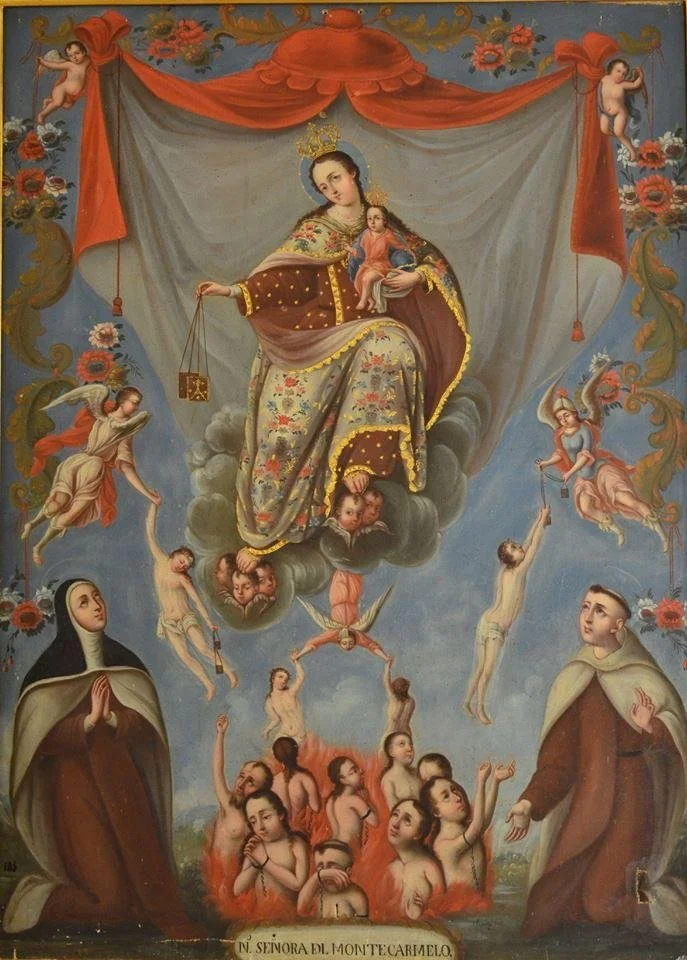
THE SEA OF DESIRES
The Sea of Desires is a series of concert-programs honouring the book by Mexican linguist and musicologist Antonio Garcia de León. The goal is to create my own “baroque-folk opera”, by using the technique known as Pasticcio: the baroque costume of appropriating other composers pieces and arranging them into a whole new piece with original libretto and plot. An inspiration for this was Bach’s librettist Christian Friedrich Henrici “Picander”, who suited Bach’s old pieces with different lyrics into big compilations such as the Christmas Oratorio or the Matthew Passion. Some of the inspirations for these types of programs I have heard at concerts include: The Netherlands Bach Society “De Apocalyps”. Partimento master Elam Rotem and the Profeti della Quinta, who I heard performing a self-arranged oratorio in early baroque stile in the Utrecht Early Music Festival in 2023.
For the theatre-part, I am working with rhetorical declamation, which is one of the hottest subjects in Early Music research in the Netherlands. I also remember being very inspired by a performance of the monologue Divino Pastor Góngora by Jaime Chabaud I attended in Cali.
For vernacular musics from aural Fandango-traditions (others as well), the biggest inspirations have been:
Grupo Cimarrón (Colombia)
Los Camperos de Valles (México)
Aléxis Cárdenas (Venezuela)
-
THE TEMPEST
The first part was my first trial of a fully theatrical program, and it is conceived as a baroque “anti-passion”.
On a desert island, lost in the Caribbean, Faustino, a ghost-pirate, howls the story of his own death. Lured into the sea by his greed for the gold of Moctezuma, he is drowned in the tempest and turned into pieces by an ancient god of the new world.

-
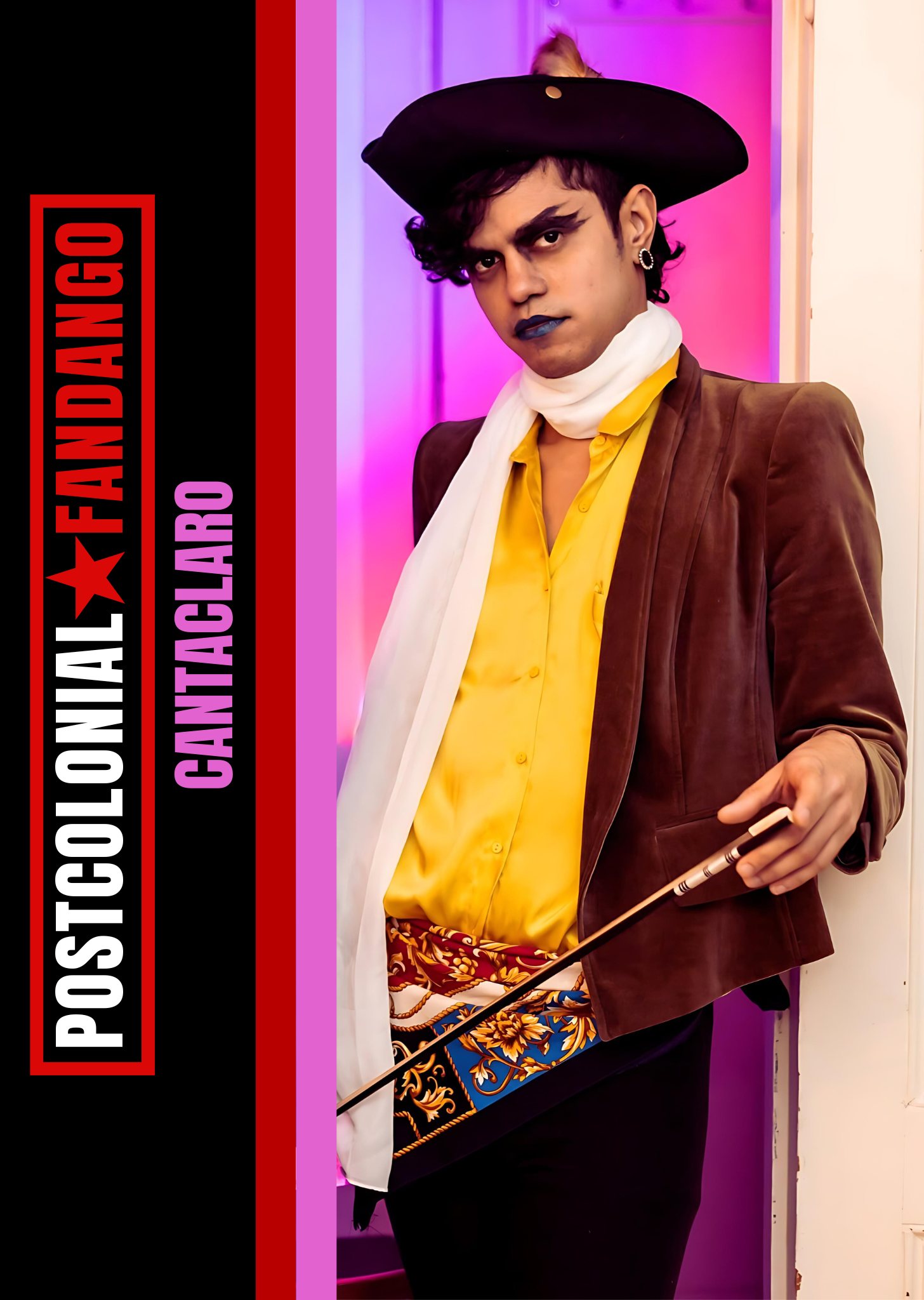
CANTACLARO
In the second part, the original tragedy develops into a more uplifting collage, this time, mixing Monteverdi arias with the most baroque of all Fandango traditions: the Son Huasteco. Between Italian and French baroque trio Sonatas, “Faustino”, the ghost-pirate, turns into a sort of Orpheus and goes into the underworld to confront the devil (personified by dancer Diana Guzmán) in a heel-work duel.
-
EL HOLANDÉS ERRANTE
Si “Cantaclaro” se distinguió por su carácter cómico y grecorromano, acudiendo a la fábula de Orfeo y reemplazando a Caronte por el Sacamandú y a Perséfone por Yemayná, con “El Holandés Errante” el ciclo vuelve al tema inicial de la Pasión Barroca, centrándose en la música de Johann Sebastian Bach (sus Oratorios de Pascua y sus obras para Violín y Violoncello solo). La trama explora de nuevo el tema de la pasión en el sentido del sufrimiento y el paso a la muerte, pero ahondando en esta ocasión en los estados más oscuros del duelo: la desesperación, la rabia y la depresión.